
What is Answer Engine Optimization?
Answer Engine Optimization (AEO) is the discipline of preparing content so that AI answer engines can retrieve, understand, and cite it as a direct response to a user’s question. The unit of success is the citation — being named or linked inside the generated answer — not a ranked position.
Traditional search returns ten blue links and asks the user to choose. Answer engines synthesize a single response and quote a handful of sources. AEO makes your content one of those sources. For a deeper definition and how it differs from related terms, see What Is Answer Engine Optimization?
Why does AEO matter in 2026?
AEO matters because a growing share of search journeys now end inside an AI answer instead of on a results page. If your brand is not cited, you lose the trust-building moment where decisions are made — even if you rank well in classic search.
- Zero-click answers are the norm. Users increasingly read the synthesized answer and never scroll to links.
- Citations compound trust. Being quoted by an AI assistant is a third-party endorsement at the exact moment of intent.
- The surfaces are multiplying. AI Overviews, ChatGPT, Perplexity, Gemini, and Copilot each present answers differently and pull from different signals.
- Early movers win. Entity authority accumulates; brands that structure content now are cited more often later.
How do answer engines choose what to cite?
Answer engines do not “rank” pages the way Google’s ten blue links do. They retrieve candidate passages, weigh them for clarity and trust, and synthesize an answer. Five factors dominate that selection.
- Extractability — a clean, self-contained answer the model can lift without guessing.
- Structure — question-based headings, lists, tables, and steps that map to the query.
- Trust — clear authorship, sourcing, and a recent last-updated date.
- Entity clarity — consistent naming plus schema so the engine knows who you are.
- Corroboration — the same positioning echoed across independent third-party sources.
We break down the retrieval mechanics in How Answer Engines Work.
AEO vs SEO vs GEO: what’s the difference?
SEO optimizes for ranked links, AEO optimizes for the cited answer, and GEO (generative engine optimization) is often used interchangeably with AEO to describe presence inside AI-generated summaries. The most effective strategy combines all three.
| Dimension | SEO | AEO | GEO |
|---|---|---|---|
| Goal | Rank a link | Be the cited answer | Appear in AI summaries |
| Unit of success | Position | Citation | Mention / inclusion |
| Primary surface | Search results page | Answer engines & snippets | Generative summaries |
| Key lever | Relevance & links | Extractability & trust | Entity authority |
Full breakdown: AEO vs SEO vs GEO.
The 8-step AEO playbook
Follow these eight steps to turn any page into a citation candidate. Each step links to a deeper guide in this topic cluster.
- Map the questions your customers actually ask AI assistants.
- Lead with the answer — a 40–60 word block near the top. See AEO content strategy.
- Structure for extraction with question H2s, lists, tables, and steps.
- Add schema — Organization, BlogPosting, FAQPage, HowTo. See schema for AEO.
- Build entity authority with consistent naming and third-party corroboration.
- Strengthen E-E-A-T — author bios, primary sources, updated dates. See Trustworthiness.
- Interlink the cluster so a pillar connects to supporting articles.
- Measure and refresh — track citations and update regularly. See measuring AEO.
What content formats get cited most?
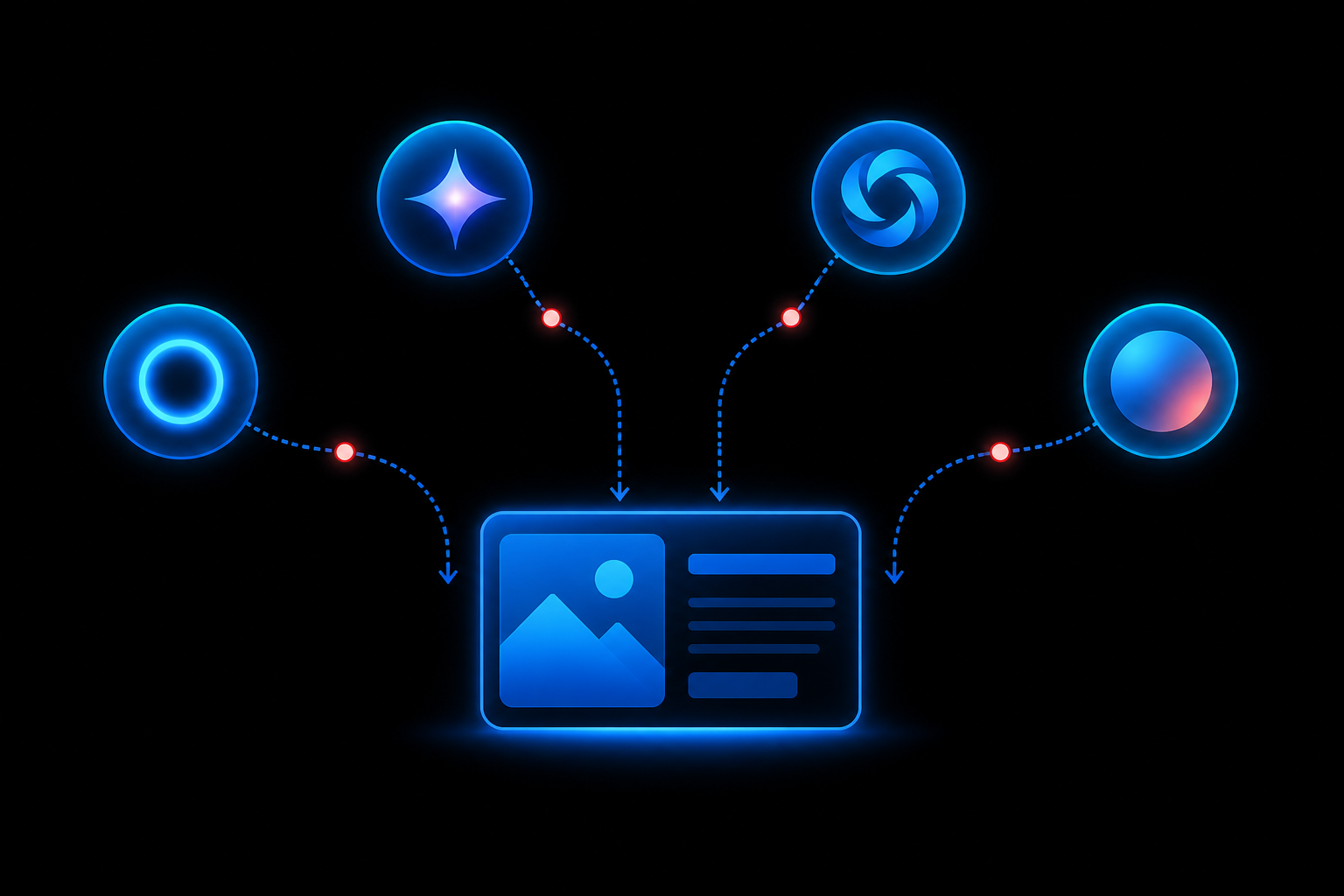
Different engines favor different formats. Definitions and structured how-tos travel everywhere; comparisons win in ChatGPT; fresh, specific pages win in Perplexity; and well-ranked, structured articles win in Google AI Overviews.
| Engine | Favors | Best content types |
|---|---|---|
| Google AI Overviews | Structured, authoritative pages that already rank | Blog posts, definitions, FAQs |
| ChatGPT | Clear sourcing, known brands, original research | Comparisons, reviews, data studies |
| Perplexity | Fresh, specific, niche content; links out | Product pages, recent blog posts |
| Gemini / Copilot | Structured content and entity clarity | How-tos, FAQs, definitions |
Engine-by-engine tactics: Optimize for AI Overviews, ChatGPT & Perplexity.
Which schema types matter for AEO?
Prioritize a small, coherent set of JSON-LD types linked by @id: Organization and WebSite for identity, BlogPosting for editorial content, FAQPage for Q&A, HowTo for processes, and BreadcrumbList for hierarchy. A tight, valid graph beats a sprawling one.
- Organization — anchors your brand as one consistent entity.
- BlogPosting / Article — names author, publish date, and last-updated date.
- FAQPage — hands engines pre-built question-answer pairs.
- HowTo — makes each step independently quotable.
- BreadcrumbList — shows where a page sits in your site.
- LocalBusiness — essential for physical or service-area businesses.
Always validate structured data before publishing — malformed schema is worse than none. See the full walkthrough in Schema Markup for AEO.
How do you measure AEO success?
Traditional rank tracking misses AEO. Measure it by how often you are cited across answer engines — sometimes called “share of model” or AI share of voice — plus the accuracy of how engines describe your brand.
- Citation rate — how often you appear when you prompt engines with your target questions.
- Share of voice — your citations versus competitors for the same prompts.
- Answer accuracy — whether engines describe your brand correctly (a signal of entity health).
- Referral traffic — especially from Perplexity, which links out aggressively.
Set up tracking with How to Measure AEO.
Common AEO mistakes to avoid
Burying the answer below long intros, relying on self-claims with no corroboration, shipping invalid schema, and letting pages go stale without a refreshed date.
- Writing for keywords instead of questions.
- Skipping author, sourcing, and last-updated signals.
- Publishing thin, one-off pages instead of interlinked topic clusters.
- Marketing copy inside FAQ schema (keep answers factual, 40–60 words).
Key takeaways
- AEO wins the citation, not just the ranking.
- Lead with a 40–60 word answer and structure for extraction.
- Use a tight, valid JSON-LD graph and build entity corroboration.
- Measure citations and share of voice, then refresh regularly.
Frequently asked questions
What is answer engine optimization?
AEO is the practice of structuring content so AI answer engines like ChatGPT, Google AI Overviews, Perplexity, and Gemini can extract it and cite your brand directly in their answers.
Is AEO the same as SEO?
No. SEO aims to rank a page as a link; AEO aims to become the cited answer inside an AI response. They share fundamentals but use different signals, and the strongest programs run both together.
Does schema markup help AEO?
Yes. JSON-LD such as Organization, BlogPosting, FAQPage, and HowTo makes your facts machine-readable and is associated with higher AI citation rates.
How long does AEO take to work?
Engines refresh at different rates. Perplexity and ChatGPT can surface fresh content within days to weeks; Google AI Overviews often tracks more slowly and correlates with traditional rankings.